Laser vs Traditional Drill: A Comparative AnalysisAdvancements in manufacturing and medical technology have introduced laser drilling as a modern alternative to traditional mechanical drilling. While both methods are use...
Laser vs Traditional Drill: A Comparative Analysis
Advancements in manufacturing and medical technology have introduced laser drilling as a modern alternative to traditional mechanical drilling. While both methods are used to create holes in materials, they differ significantly in terms of precision, efficiency, cost, and application. Understanding these differences helps industries and professionals choose the most suitable method for their needs.
What is Traditional Drilling?
Traditional drilling involves the use of mechanical drill bits to cut into a material and create holes. This method has been widely used for decades in industries such as construction, metalworking, woodworking, and manufacturing. It relies on physical force and rotation to remove material.
Advantages of Traditional Drilling:
- Cost-effective: Equipment and tools are generally cheaper and widely available.
- Versatile: Suitable for a wide range of materials including wood, metal, and plastic.
- Simple operation: Easy to use with minimal training required.
Limitations:
- Wear and tear: Drill bits degrade over time and require replacement.
- Limited precision: Difficult to achieve extremely fine or micro-sized holes.
- Mechanical stress: Can cause cracks or deformation in delicate materials.
What is Laser Drilling?
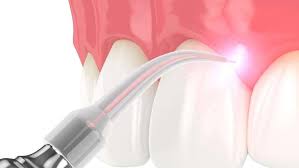
Laser drilling uses a focused beam of high-energy light to remove material through melting, burning, or vaporization. It is a non-contact process, meaning there is no physical tool touching the material. This method is widely used in high-precision industries such as aerospace, electronics, and medical device manufacturing.
Advantages of Laser Drilling:
- High precision: Capable of producing extremely small and accurate holes.
- No tool wear: Since there is no physical contact, tools do not degrade.
- Minimal material damage: Reduced risk of cracks or deformation.
- Automation-friendly: Easily integrated into modern automated systems.
Limitations:
- Higher cost: Equipment and setup are expensive.
- Material limitations: Not all materials respond equally well to laser processing.
- Thermal effects: Heat generated can affect surrounding areas if not controlled.
Key Differences
1. Precision and Accuracy
Laser drilling offers superior precision, especially for micro-holes and complex patterns. Traditional drilling is less precise due to mechanical limitations and tool wear.
2. Speed and Efficiency
Laser drilling can be faster for high-volume or intricate tasks, particularly when automated. Traditional drilling may be slower, especially for repetitive or detailed work.
3. Material Compatibility
Traditional drilling works well with most common materials. Laser drilling excels with thin materials, composites, and hard-to-machine substances, but may struggle with highly reflective or heat-sensitive materials.
4. Maintenance and Durability
Mechanical drills require regular maintenance and tool replacement. Laser systems have fewer consumables but may require specialized maintenance and skilled technicians.
5. Cost Considerations
Traditional drilling is more affordable for small-scale or basic operations. Laser drilling, while expensive upfront, can be cost-effective in large-scale, precision-driven industries.
Applications
Traditional Drilling:
- Construction and carpentry
- Automotive repairs
- General manufacturing
- Household and DIY tasks
Laser Drilling:
- Aerospace components (e.g., turbine blades)
- Electronics (e.g., circuit boards)
- Medical devices (e.g., surgical instruments)
- Micro-engineering applications
Which One Should You Choose?
The choice between laser and traditional drilling depends on the specific requirements of the task. If cost and simplicity are priorities, traditional drilling is often the better option. However, for high precision, minimal material damage, and advanced applications, laser drilling is the superior choice.